
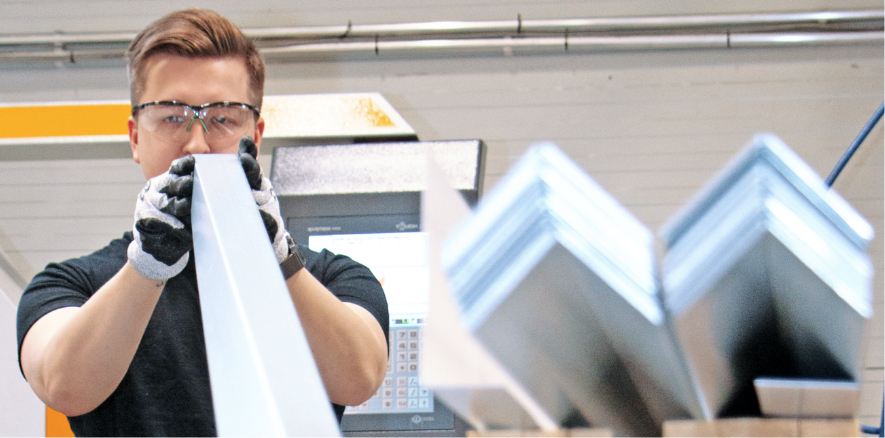
Sheet Metal Is an Essential Part of Quality Construction – Here’s How to Recognize High-Quality Sheet Metal Work
Sheet metal works are such an integral part of a building’s overall appearance that most people rarely give them a second thought. Even construction professionals may only notice sheet metal details when they stand out for one reason or another—either positively or negatively.
However, sheet metal plays a crucial role in protecting and finishing buildings. High-quality sheet metal work can be identified in many ways, not only through the finished appearance but also through the methods used during manufacturing and installation. Well-executed sheet metal solutions protect building structures for decades and provide the finishing touch to a building’s appearance, whether subtle or striking, depending entirely on the architectural design and intended application.
Here Are a Professional’s Six Tips for Recognizing High-Quality Sheet Metal Work.
- Sheet Metal Must Suit the Structure
The primary purpose of high-quality sheet metal work is to protect building structures from moisture. This also means ensuring that the structure’s ventilation requirements are properly taken into account when designing and installing the sheet metal components.
In addition to providing protection, a well-designed sheet metal solution should fit the building visually, both in terms of its form and its colour. In many cases, high-quality sheet metal work remains almost unnoticed and only attracts attention when it is intentionally used to create a distinctive architectural feature. Sheet metal can therefore also be used to create striking architectural details in modern construction.
A suitable sheet metal solution should also take the expected lifespan of the structure into account. For example, there is little benefit in installing a stainless steel edge flashing on a bitumen roof when a premium-grade pre-painted sheet metal product can easily match the service life of the roof itself.
Sheet metal works must always be carried out in accordance with applicable regulations and industry standards. Construction legislation and regulations provide the highest-level framework, while the most important practical guidance is found in the RYL, RIL, and RT Card standards used within the Finnish construction industry.
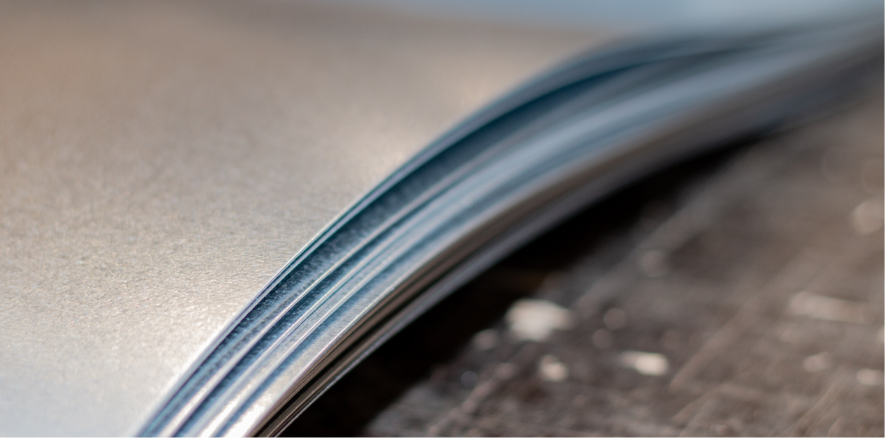
”A suitable sheet metal solution should also take the expected lifespan of the structure into account.”
- Sheet Metal Products Must Be Procured at the Right Time
Sheet metal work plays an important role in maintaining a dry construction process. Ordering sheet metal products well in advance ensures that installation can begin as soon as conditions allow. This helps protect building structures from unnecessary exposure to the weather, which can be particularly harsh in Finland.
An experienced sheet metal contractor will also always prioritize the areas that must be completed before other façade components can be installed.
Timely procurement ensures that qualified installers are available exactly when they are needed—not too early, when progress on site is not yet possible, and not too late, when project schedules may already be under pressure. Instead, installation can begin at precisely the stage when the building is ready for its sheet metal components.
This helps keep the project on schedule and allows construction work to progress efficiently and as planned.
- Flashing Properly Directs Water Away from the Structure
Properly designed sheet metal detailing ensures that water cannot penetrate the structure and is directed far enough away from building elements such as exterior walls. If signs of continuous water runoff can be seen on the wall beneath the flashing, the drip edge may be too short—or missing altogether.
In well-designed and correctly installed flashings, slopes are clearly defined and direct water away from the structure or towards the intended drainage path. Careful detailing can also prevent problems caused by wind-driven rain or snow intrusion, helping to protect the building envelope in all weather conditions.
“For example, copper sheet metal cannot be fastened with steel screws”
- Sheet Metal Work Is Installed Using the Correct Fasteners
Properly installed sheet metal products protect a building for decades, which is why careful consideration must be given to the fastening method. Fasteners must be selected and designed to perform reliably throughout the expected service life of the product. Wind loads must also be taken into account. For example, wind exposure can be significantly higher on the upper floors of apartment buildings, requiring stronger and more robust fixing solutions.
Sheet metal installers must also understand the risk of galvanic corrosion when different metals are combined. For example, copper sheet metal cannot be fastened with steel screws. Combining noble and less noble metals can cause electrochemical corrosion, which may significantly shorten the lifespan of the installation.
In some applications, adhesive fixing is the best solution. This is often the case in interior spaces, where visible mechanical fasteners could compromise the appearance of the finished product. Well-installed sheet metal work does not rattle in the wind and provides a clean, durable, and safe finish.
- Sheet Metal Work Is Safe
Sharp cut edges are seen far too often in window flashings in particular. These can pose a safety hazard to both people and pets. Sheet metal details should always be designed and fabricated so that they do not leave sharp corners or exposed cutting edges.
The safety of sheet metal installations must be assessed individually for each building project. For example, low-level windows in daycare centres require special attention from installers. The ends of flashing profiles should be cut and folded in a way that creates a smooth, safe edge. In most cases, this means folding the sheet metal back on itself to form a double layer.
The safety of sheet metal work is therefore far more than an aesthetic consideration. In many cases, it is also an essential part of ensuring the safety of building users.
- Sheet Metal Products Are Free from Dents and Scratches
Professionally installed flashing profiles provide the finishing touch to a building. Sheet metal work plays a significant role in the overall quality and appearance of a completed project. Precisely manufactured, carefully transported, and properly installed products are free from scratches and dents. Sheet metal products also last longer when their protective surface remains intact and undamaged.
Scratch-free and dent-free sheet metal work is a clear sign of careful workmanship, high-quality materials, and correct working practices.
Sheet Metal Is an Essential Part of Every Building
To sum up, sheet metal work may represent only a small part of a building, but it plays a major role in its functionality, durability, and long-term performance.
When sheet metal products are:
- correctly dimensioned and installed at the right time,
- designed to effectively direct water away from the structure,
- safe, neat, and durable,
- fastened using the correct materials and fixing methods,
...you can be confident that the building is well protected and will continue to look its best for years to come.
Need custom-made sheet metal products delivered reliably and with precision? PetterSteel manufactures high-quality sheet metal solutions with professional expertise—always finished to the highest standard.